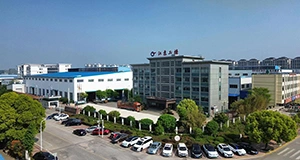
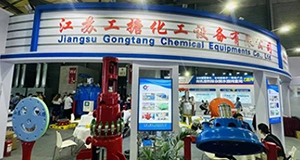
Jiangsu Gongtang
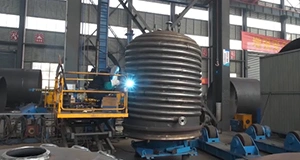
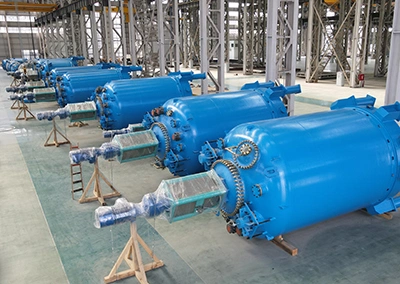
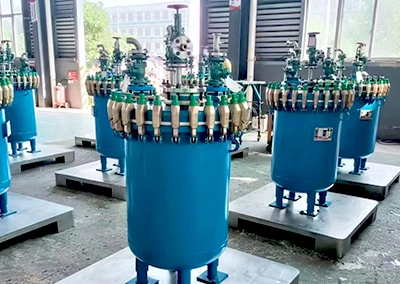
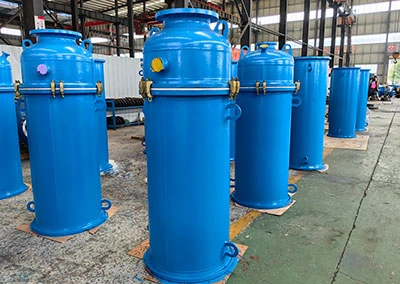
Gongtang integrates quality control throughout the manufacture of glass-lined equipment. From the selection of steel plates specifically designed for glass lining, welding and forging/forming, through the application of GT88-9018 enamel, multi-layer enamel spraying, and controlled vertical firing, each stage is controlled to support substrate quality, enamel bonding, surface integrity, and equipment reliability.
With consistent manufacturing processes and flexible customization capabilities, Gongtang provides reliable, corrosion-resistant and tightly-sealed glass-lined equipment suitable for long-term operation in chemical production.
-
Steel plate selection
We select specialty steel plates from Baosteel, Nanjing Iron & Steel and Jingye Group with titanium added to reduce carbon content and help control harmful hydrogen and prevent fish scaling. The steel plate is firmly fused with the glass lining, leaving smooth and glossy lining surface.
-
Welding
TIG welding is used for root pass and external bevel is used for single-sided welding with complete back bead.
The well-formed welds with no slag or porosity enable better glass-lining performance. -
Nozzle manufacturing
Forged from grade 10 steel with increased wall thickness, the nozzles achieve high mechanical strength, low carbon content, good enameling properties and high resistance to enamel spalling.
The outer edge can be lined with enamel to reduce corrosion and extend service life. -
Large diameter flanges
Forged as a whole, the large diameter flanges leave no welding joints or splice joints, achieving consistent quality, high strength, and excellent dimensional stability.
-
Enamel
GT88-9018 enamel from Germany with high corrosion resistance. (150% higher than GB standard)
-
Enamel spraying
Cold spraying is used and 6-8 layers are applied.
The multi-layer spraying enables fine and dense layers with no porosity and smooth, glossy surface. -
Fire method
Vertical support design with multi-point support for even load distribution. We use methods requiring high tooling costs and vessels with flanges that offer high resistance to deformation and strong sealing performance. There is no restriction on the vessel length-to-diameter ratio, which allows flexible designs such as wide or slender type.
-
Firing time
Vertical slow firing with cold loading and cold unloading allows sufficient firing time (6-8 hours per firing cycle) and more precise temperature control. Program-controlled precise heating and in-furnace cooling relieves residual stresses in the enamel layer and help prevent enamel spalling.
-
Clamps
The galvanized forged clamp provides high strength and easy maintenance, preventing accidental detachment with the help of the lifting eye.
-
U-ring
The U-ring functions like a spring compensation mechanism and protects the enamel surface at the discharge outlet, thus promoting drainage of the cooling medium from the jacket at the discharge and preventing corrosion damage.
Increased jacket volume can improve cooling and heating performance. -
Lap joint flanges
The forged flanges provide high strength,with PN 10 flange dimensions.
The flanges can be supplied to GB, ASME, EN, or JIS standards. -
Gearbox mounting
The four-column frame design enables quick removal of mechanical seal without removing the entire gearbox.
-
Agitator types
Scraper agitator (low fill level), Brumagin-type agitator, axial-flow impeller agitator, disc turbine impeller agitator
-
Glass-lined nozzles
The glass-lined nozzles have glass lining extending beyond the edges, providing resistance against vapor-phase corrosion.
01 Steel plates
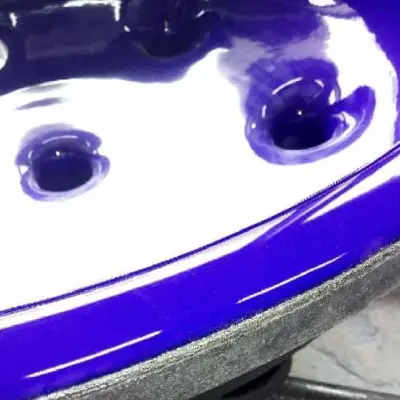
Specialty plates from Baosteel and NISCO with titanium added to control harmful hydrogen and prevent fish scaling. The steel plate is firmly fused with the glass lining, leaving smooth and glossy lining surface.
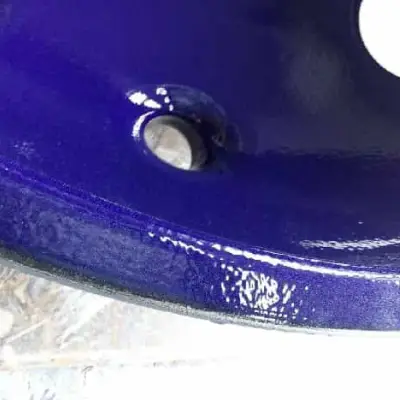
Readily available steel plates such as Q235-B / Q245R that are common with slags and porosities, and often result in surface pitting, pinholes, and subsurface blisters in the glass lining.
02 Nozzles
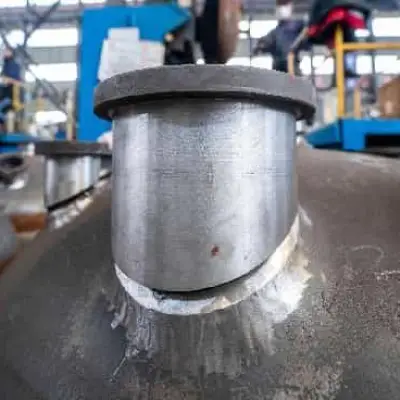
Forged from grade 10 steel with increased wall thickness, the nozzles achieves high mechanical strength, low carbon content, good enameling properties and high resistance to enamel spalling.
The outer edge can be lined with enamel to reduce corrosion and extend service life.
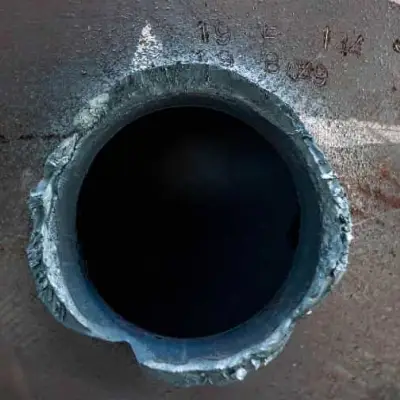
Double-sided welding with conventional covered electrodes often results in slag and porosity in welds, compromising glass lining.
03 Large diameter flanges
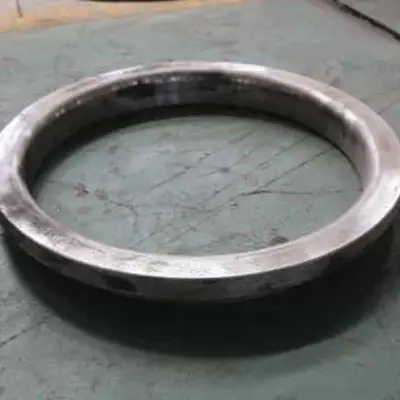
Forged as a whole, the large diameter flanges leave no welding joints or splice joints, achieving consistent quality, high strength, and excellent dimensional stability.
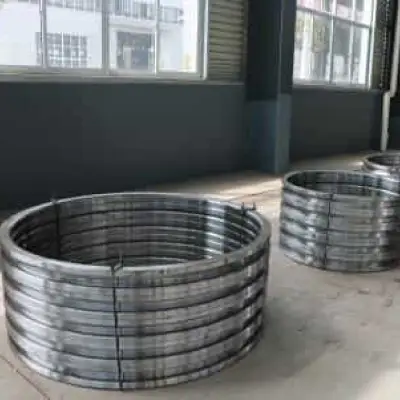
Spliced together with steel sections, conventional flanges have splice joints and are prone to glass-lining spalling.
Conventional flanges also have low strength and are easily deformed.
04 Enamel type
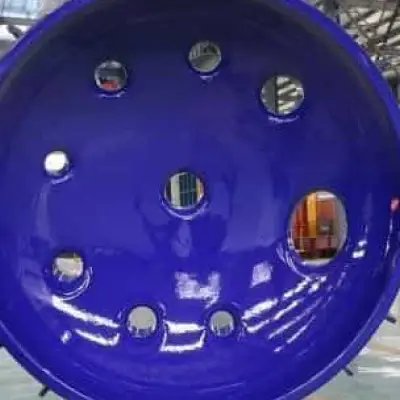
GT88-9018 enamel from Germany with high corrosion resistance. (150% higher than GB standard)
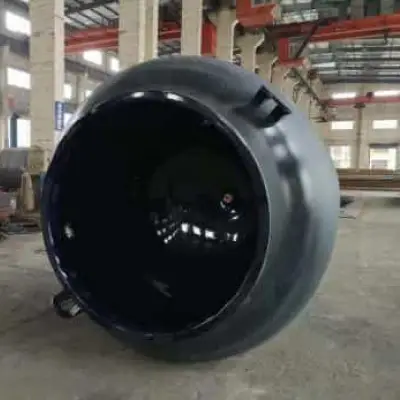
Low-cost GT66-1008 enamel with relatively low corrosion resistance. (30% higher than GB standard)
05 Enamel spraying
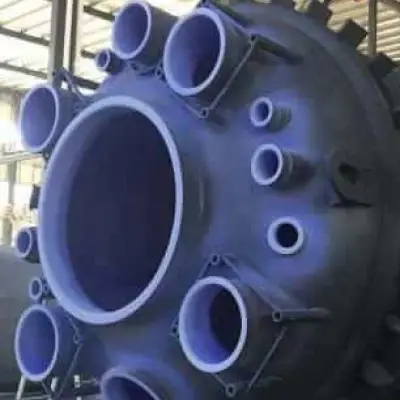
Cold spraying with mixing vessel to keep materials uniform and consistent. The spraying process takes 6-8 layers to finish.
The multi-layer spraying enables fine and dense layers with no porosity and smooth, glossy surface.
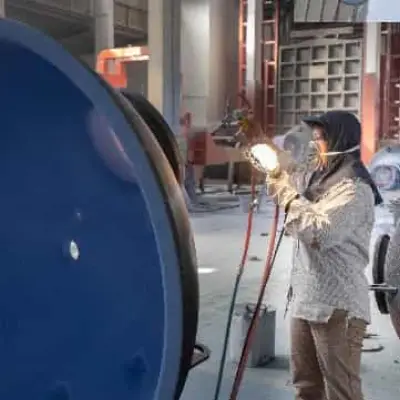
Thermal spraying only takes 3-5 layers to finish and often causes porous glass lining, porosities, uneven surface and poor gloss.
06 Firing methods
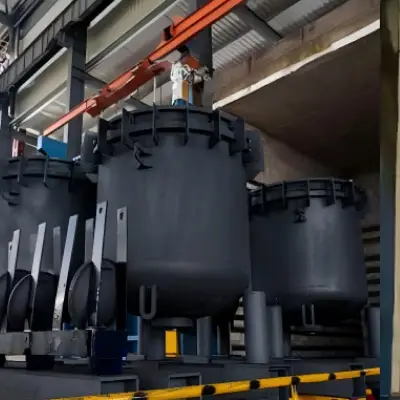
Vertical support design with multi-point support for even load distribution. We use methods requiring high tooling costs and vessels with flanges offering high resistance to deformation and strong sealing performance. There is no restriction on the vessel length-to-diameter ratio, which allows flexible designs such as wide or slender type.
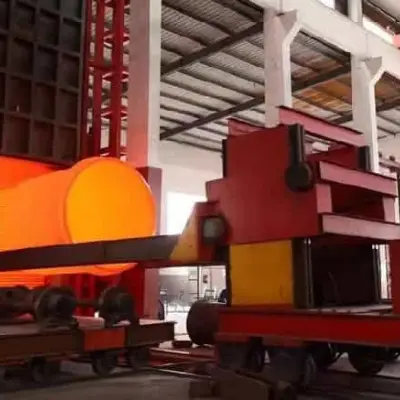
Horizontal fast firing often causes flange deformation and poor sealing. There is restriction on the vessel length-to-diameter ratio.
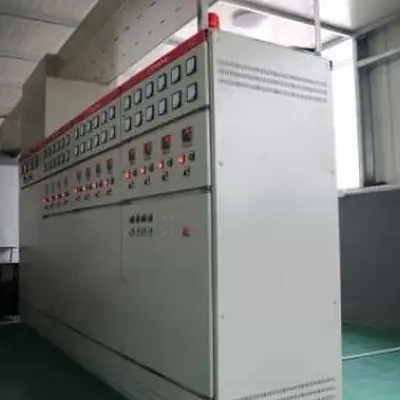
Vertical slow firing with cold loading and cold unloading allows sufficient firing time (6-8 hours per firing cycle) and more precise temperature control. Program-controlled precise heating and in-furnace cooling relieves residual stresses in the enamel layer and help prevent enamel spalling.
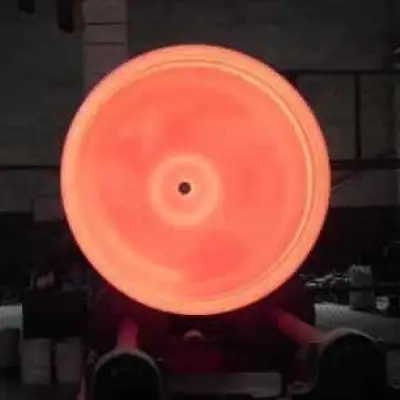
Horizontal fast firing with hot loading and hot unloading has relatively short finishing time (30-50 minutes per firing cycle).
However, the rapid heating and cooling causes residual stress in glass lining, which often results in fish scaling.
07 Clamps
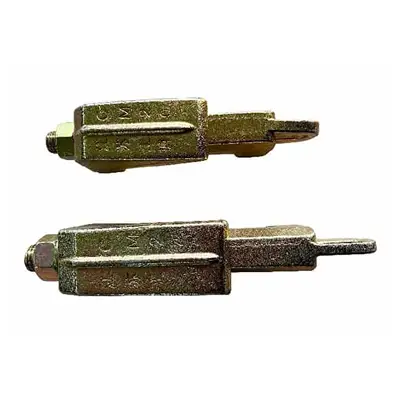
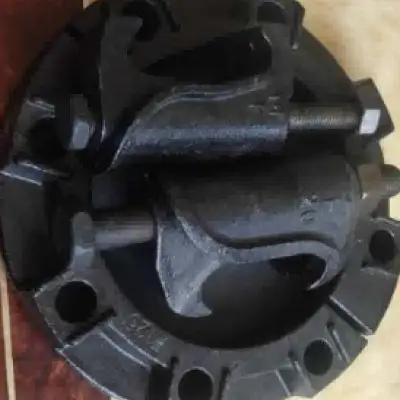
The galvanized forged clamp provides high strength and easy maintenance, preventing accidental detachment with the help of the lifting eye.
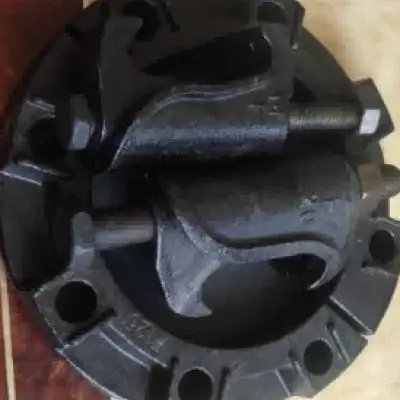
Cast-iron clamps are low-cost alternative with low strength and no lifting eye to prevent accidental detachment.
08 Lap joint flanges
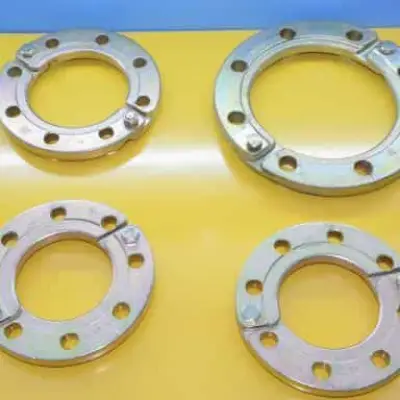
The forged flanges provide high strength, with PN10 flange dimensions.
The flanges can be supplied according to GB, ASME, EN, or JIS standards.
Cast-iron flanges provide relatively low strength, with only PN6 flange dimensions.
The flanges can be supplied according to GB standards.
09 U-ring
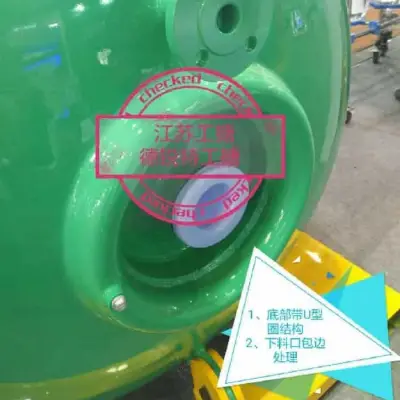
The U-ring functions like a spring compensation mechanism and protects the enamel surface at the discharge outlet, thus promoting drainage of the cooling medium from the jacket at the discharge and preventing corrosion damage.
Increased jacket volume can improve cooling and heating performance.
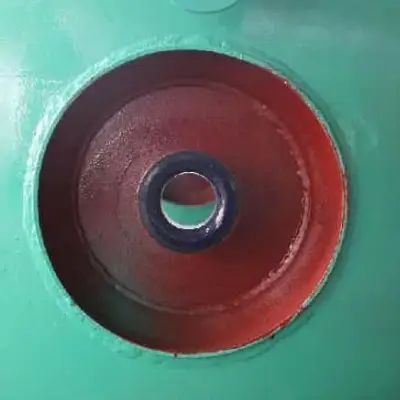
U-ring is usually not provided for the discharge nozzle unless specified by the manufacturer or requested by the customer.